Carnegie Mellon University · Experience Design 2020

HP
Sustainability Experience

Role
Experience Design · Spatial Design · Physical Prototyping
Research Collaborator
Elizabeth Han
Year
2020
Tools
Blender · Sketchup · Figma · Adobe CC · Physical Prototyping

HP has an 80-year history of technology innovation, but its sustainability efforts are largely invisible. The work is real and substantial. The public awareness hasn't followed.

This project responds with a physical pop-up experience designed to close that gap: a dark, sensor-driven room full of real plants that react to visitors, and die when they try to photograph them. The goal was to make the environmental stakes visceral.

Two research questions drove the response: how do you remind people to think about sustainability when buying technology, and how do you connect a brand's existing environmental work to its public identity?

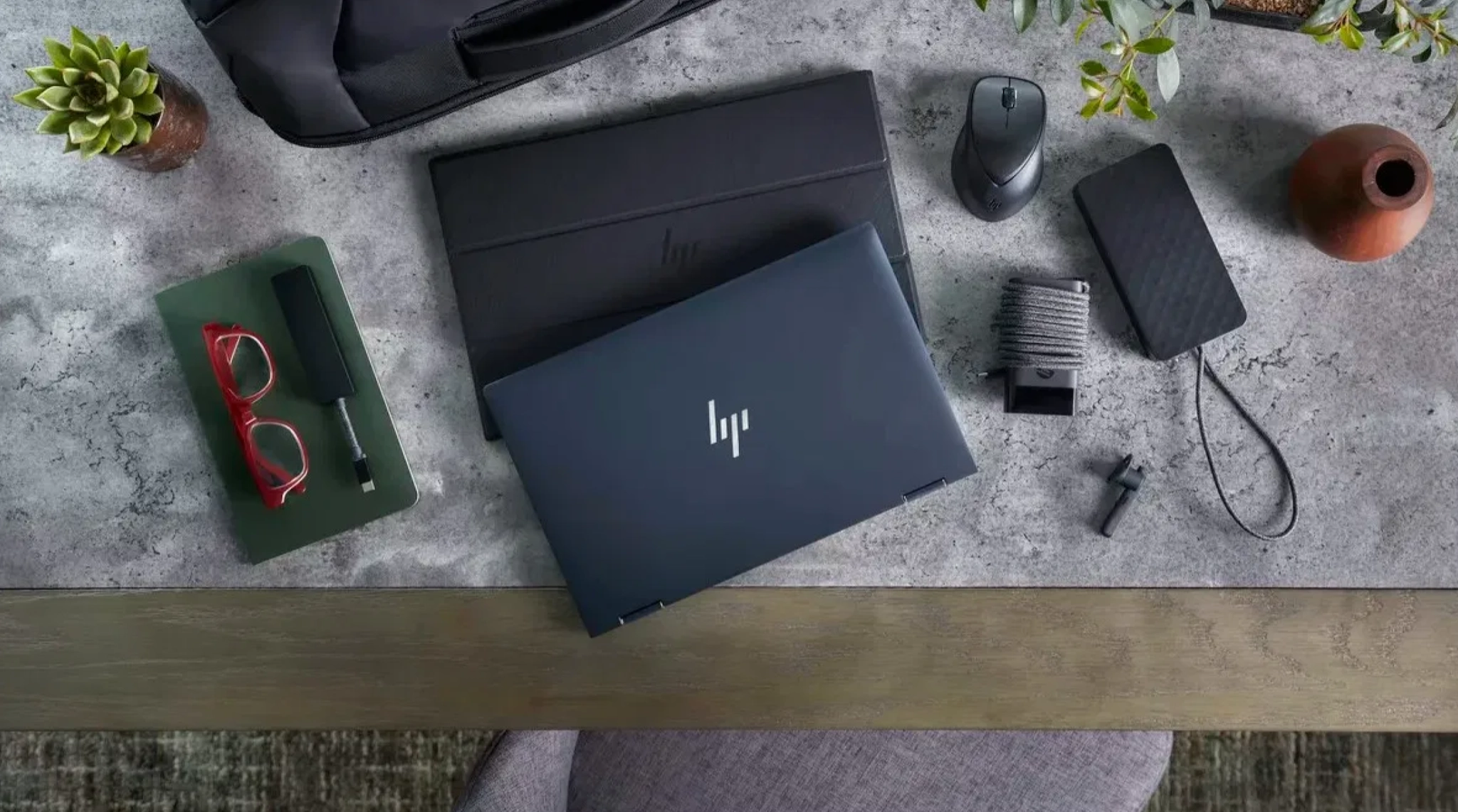
HP laptop representing the technology product context
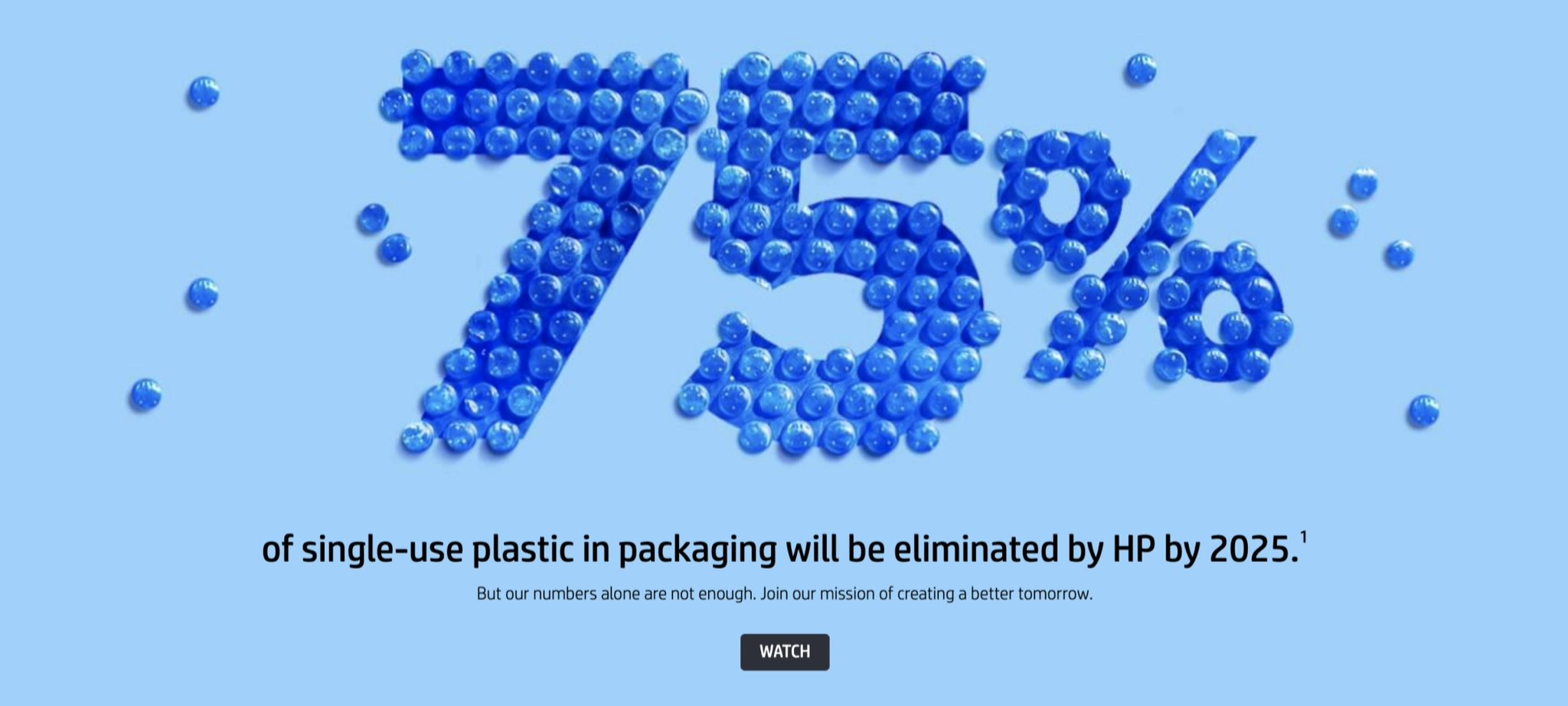
HP sustainability statistic

Key Insights

01

HP's sustainability work is real but invisible

HP is doing more than most of its competitors on environmental commitments, but the information is buried. Even on their own website it takes significant effort to find. The public perception doesn't reflect the reality.

02

Young buyers want to act but lack a signal

Studies consistently show that younger demographics want to make sustainable purchases and are willing to pay more for them. The barrier is trust and signal: knowing which brands to believe.

03

Technology is the sustainability blind spot

People factor environmental impact into food, clothing, and household goods decisions, but the same consideration rarely extends to electronics. Tech purchases feel separate from sustainability thinking.

Experience Walkthrough

01 of 05

Excitement

Exterior

A structure that doesn't fit the park


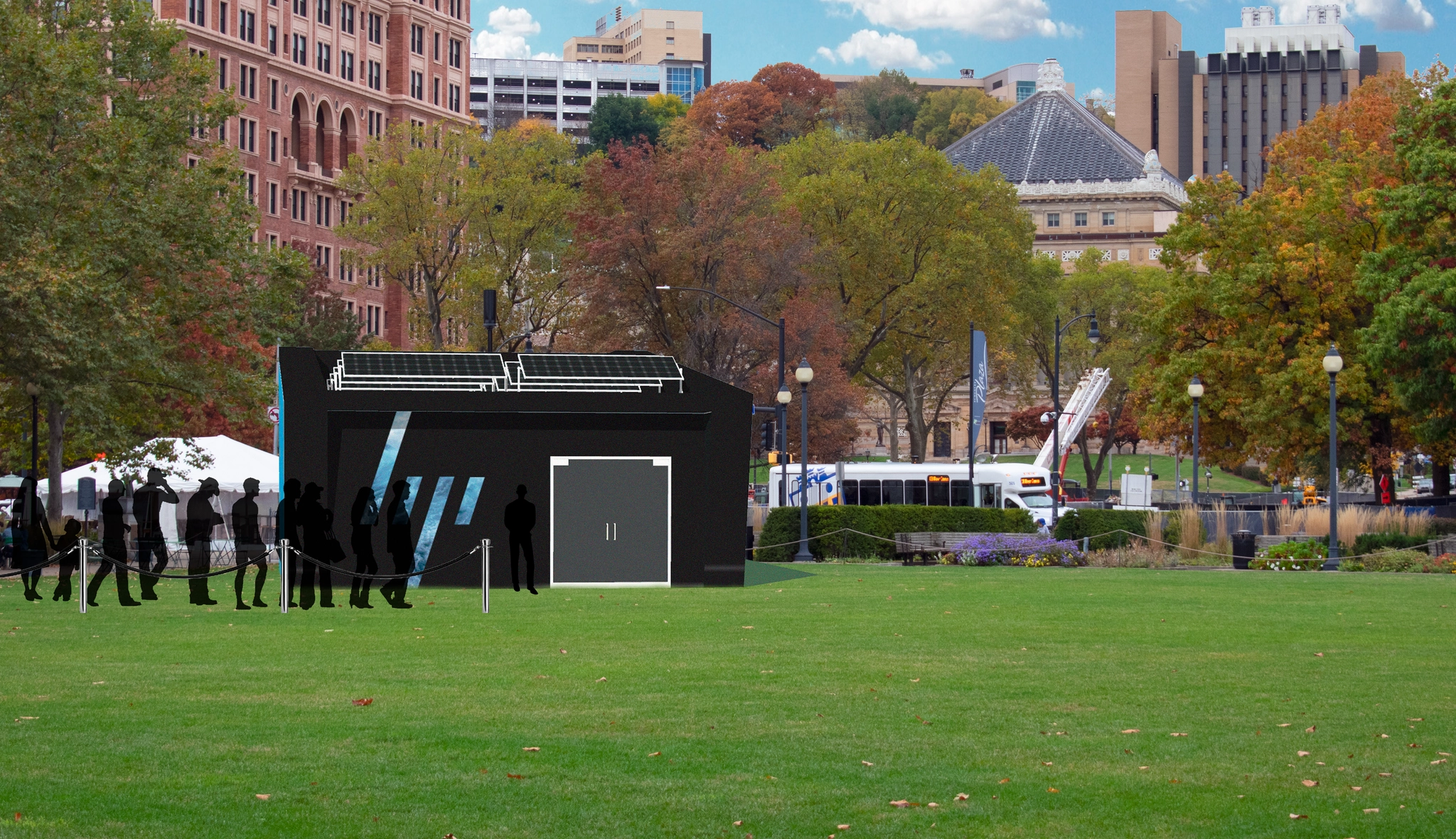
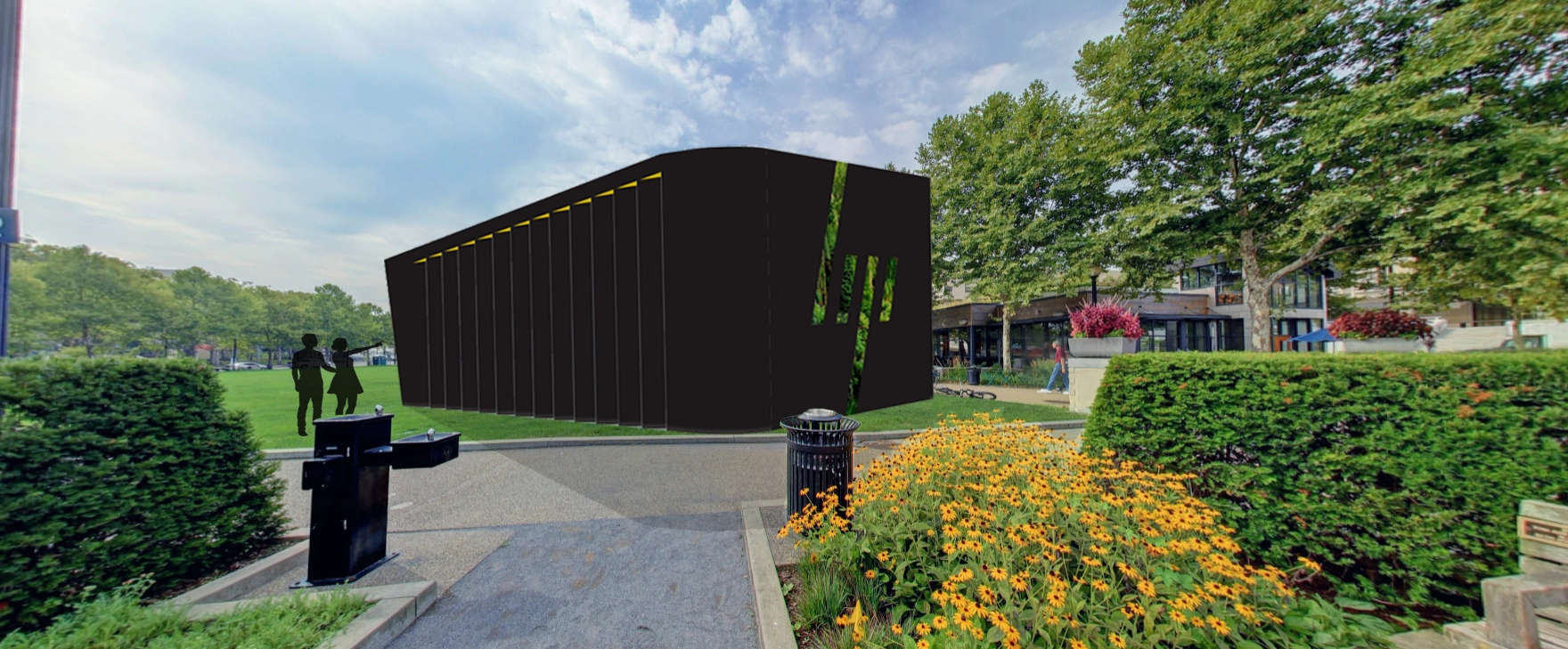
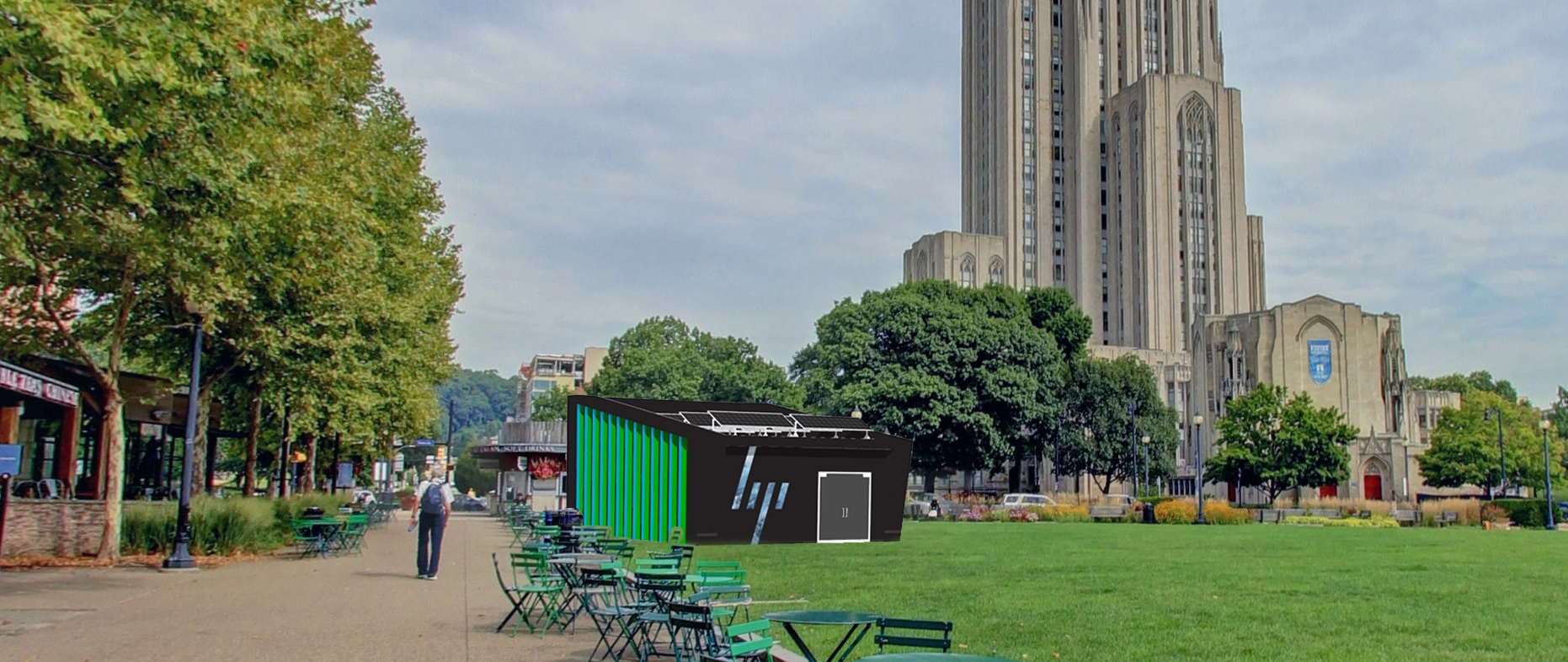
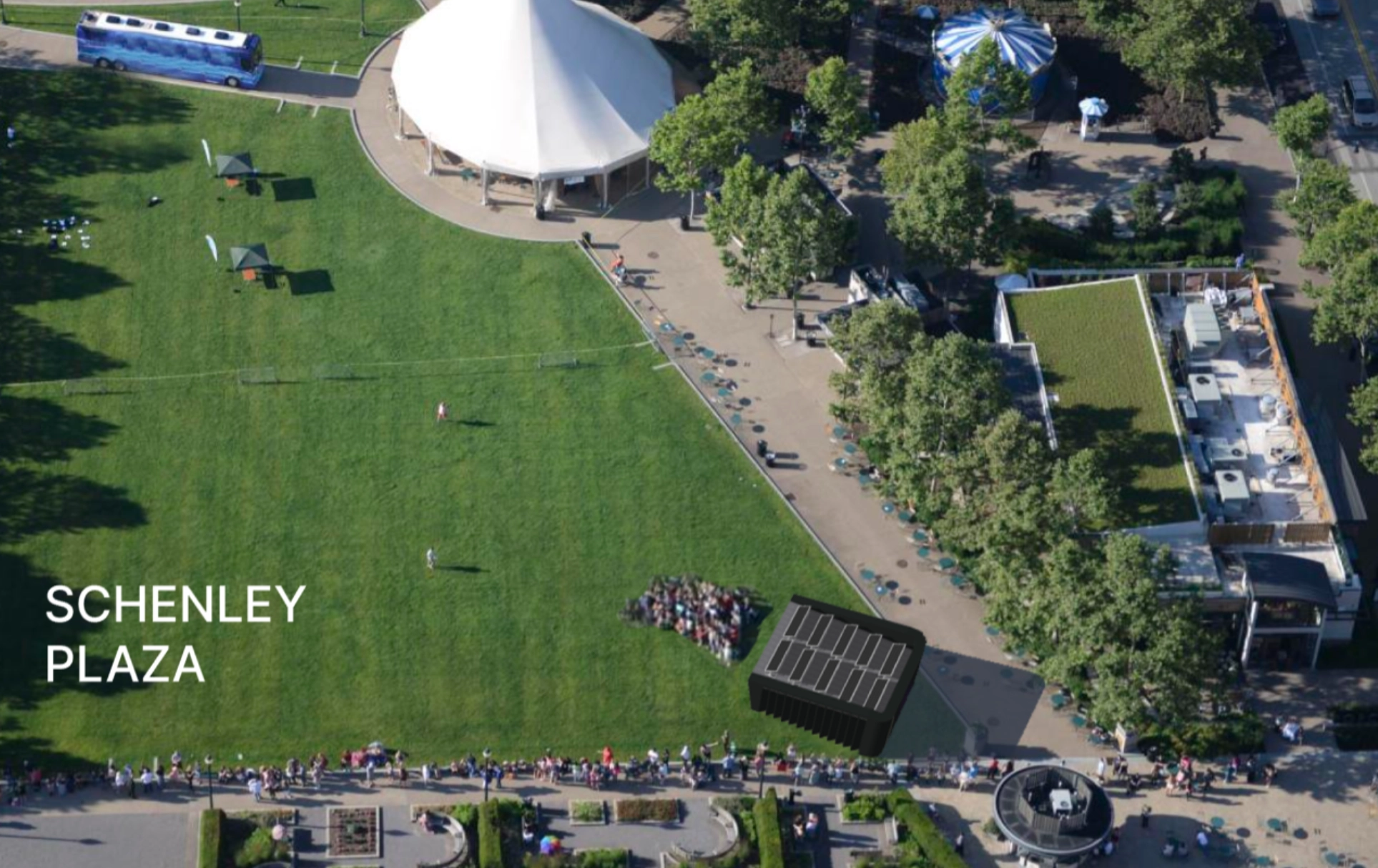
The pop-up is positioned at the corner of Schenley Plaza, visible from Forbes Avenue and the main park path. Its brushed dark metal exterior sits in deliberate contrast to the soft greens of the surrounding environment.


That contrast is intentional: the experience begins before anyone steps inside. The exterior references HP's structured design language while using its foreignness to draw attention. The large street-facing logo panel is a live video screen, hinting at what's inside while surfacing HP's sustainability messaging for people waiting in line or simply passing by.


HP pop-up walkaround view showing all sides
Location diagram showing pop-up position in Schenley Plaza

As visitors walk along the adjacent path, angled slats in the sides of the building reveal hidden screens. The screens shift as people move, creating a parallax effect that shows different content depending on angle. The content links HP to natural imagery and hints at what's inside.

Video screen on exterior front face Angled slat screen — side view 1 Angled slat screen — side view 2

Experience Walkthrough

02 of 05

Entry

Queue and intake

Controlled entry, 5 to 8 at a time

Entry is managed by staff who cycle groups in and out. While waiting, visitors are exposed to sustainability content on the exterior screens, so the experience starts before the door opens.

Once the previous group has exited, the next 5 to 8 visitors are let in. The small group size is deliberate: it keeps the interior interaction intimate and ensures the core mechanic lands as intended.

Entry queue and staff managing visitor flow Visitors entering the experience space

Experience Walkthrough

03 of 05

Engagement

Core interaction

The plants react to you. Then you react to them.

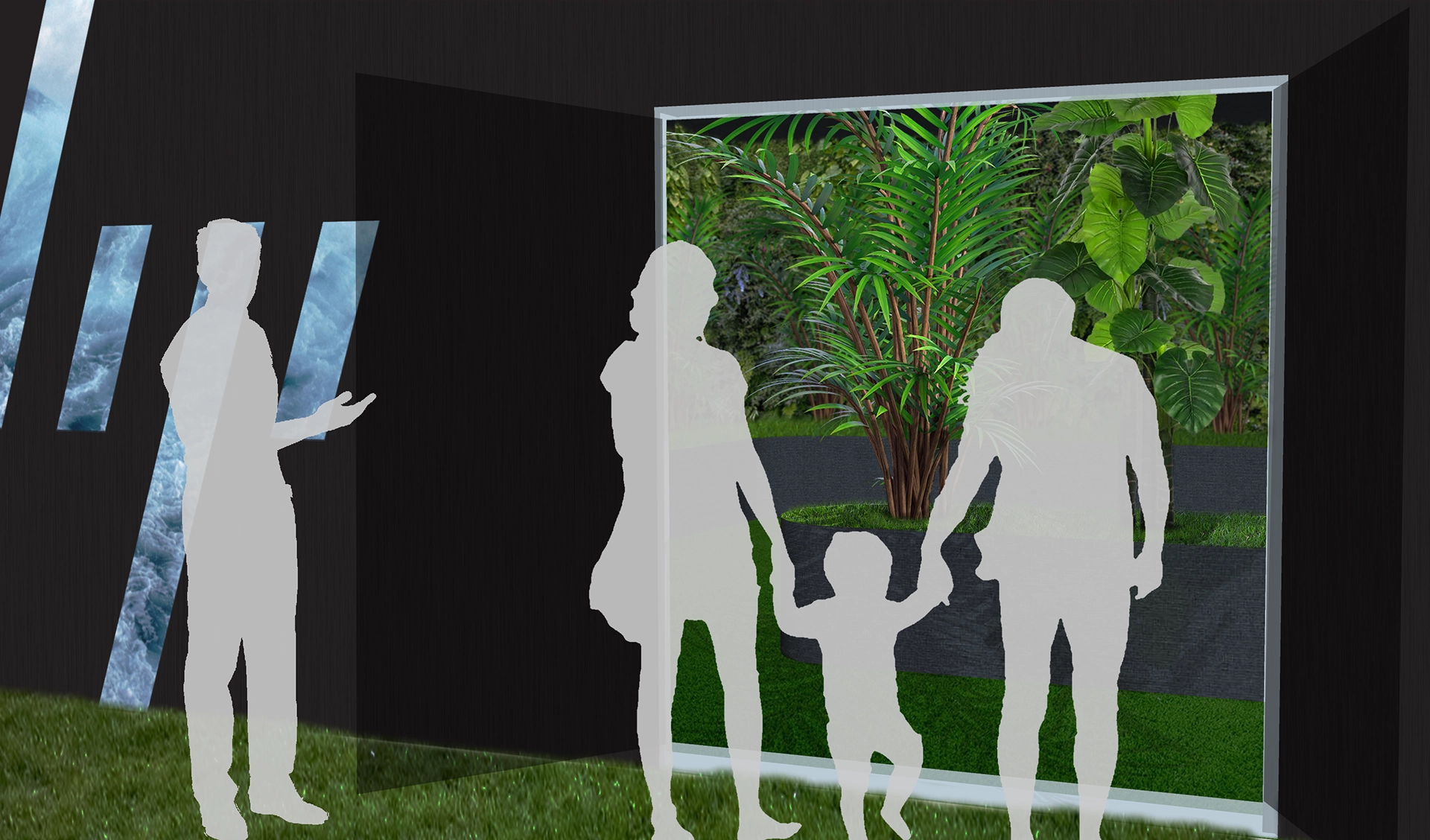
The room is filled with real greenery and animatronic plants. Motion and proximity sensors detect when a visitor moves close, and nearby plants respond, leaning toward or away from the person.

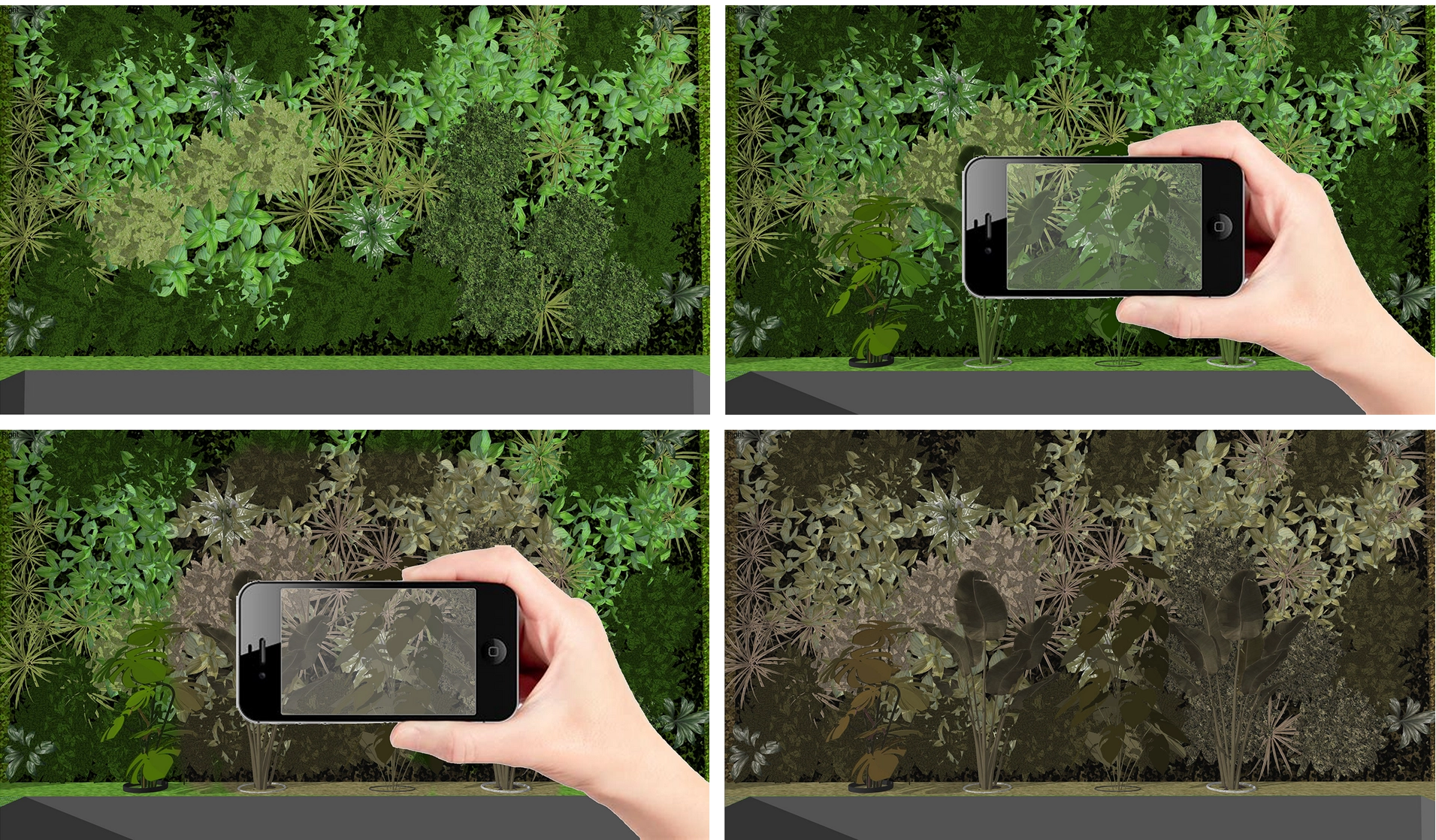
The core mechanic plays on a familiar impulse: when something interesting is happening, people reach for their phones. Here, ceiling sensors detect when a camera is raised and pointed, and the plants in that direction begin to die. The technology is literally killing the nature.

The effect spreads. Each additional camera accelerates the collapse until the room is still.

Interior view showing animatronic plants and visitor interaction
Interaction animation showing plant response

Experience Walkthrough

04 of 05

Exit

Reset and transition

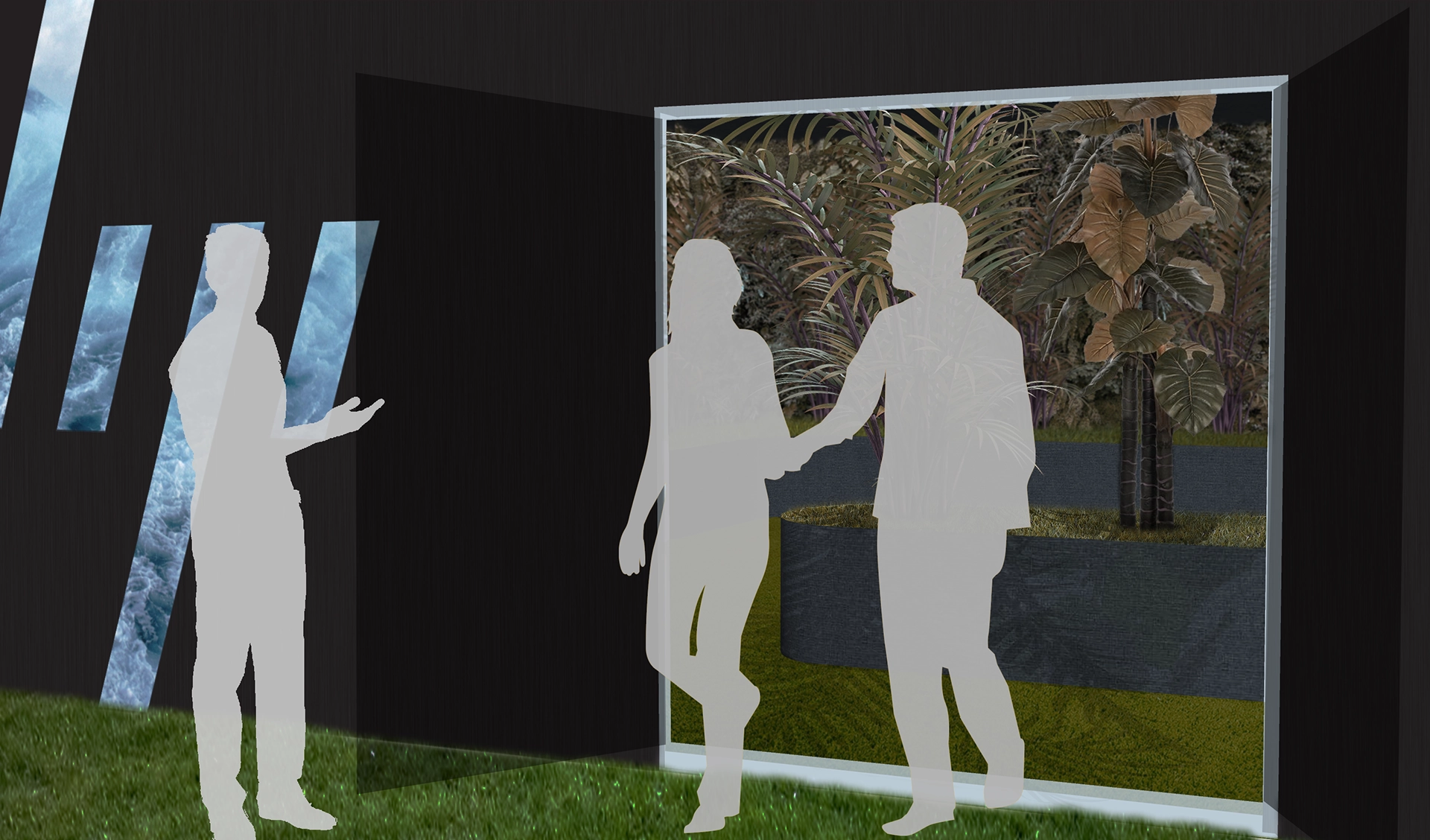
The room goes still

Once all the plants have died, a staff member opens the exit door and invites the group out. The physical transition from the dark, collapsed room back into daylight is part of the experience.

Staff then reset the room for the next group: plants restored, sensors recalibrated, ready to repeat.

Exit scene showing collapsed plant state after interaction

Experience Walkthrough

05 of 05

Extension

Takeaway

A seed card to take home

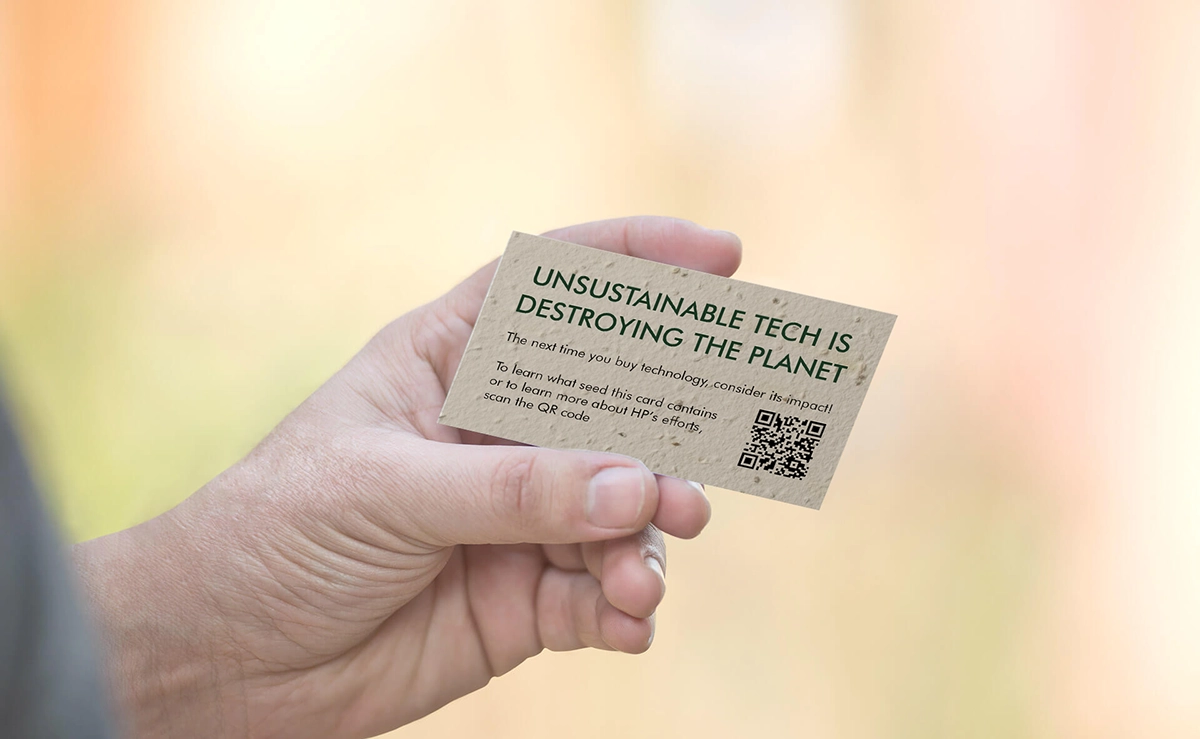
Every visitor leaves with a seed card: a plantable card containing seeds along with a written explanation of what they just experienced and why.

The card explicitly connects the interaction to HP's sustainability work, and includes a QR code linking to HP's environmental efforts and information about what's growing in the card. The physical takeaway extends the experience past the door and makes the message something visitors carry with them.

HP seed card with QR code and sustainability messaging

Process

Form Design

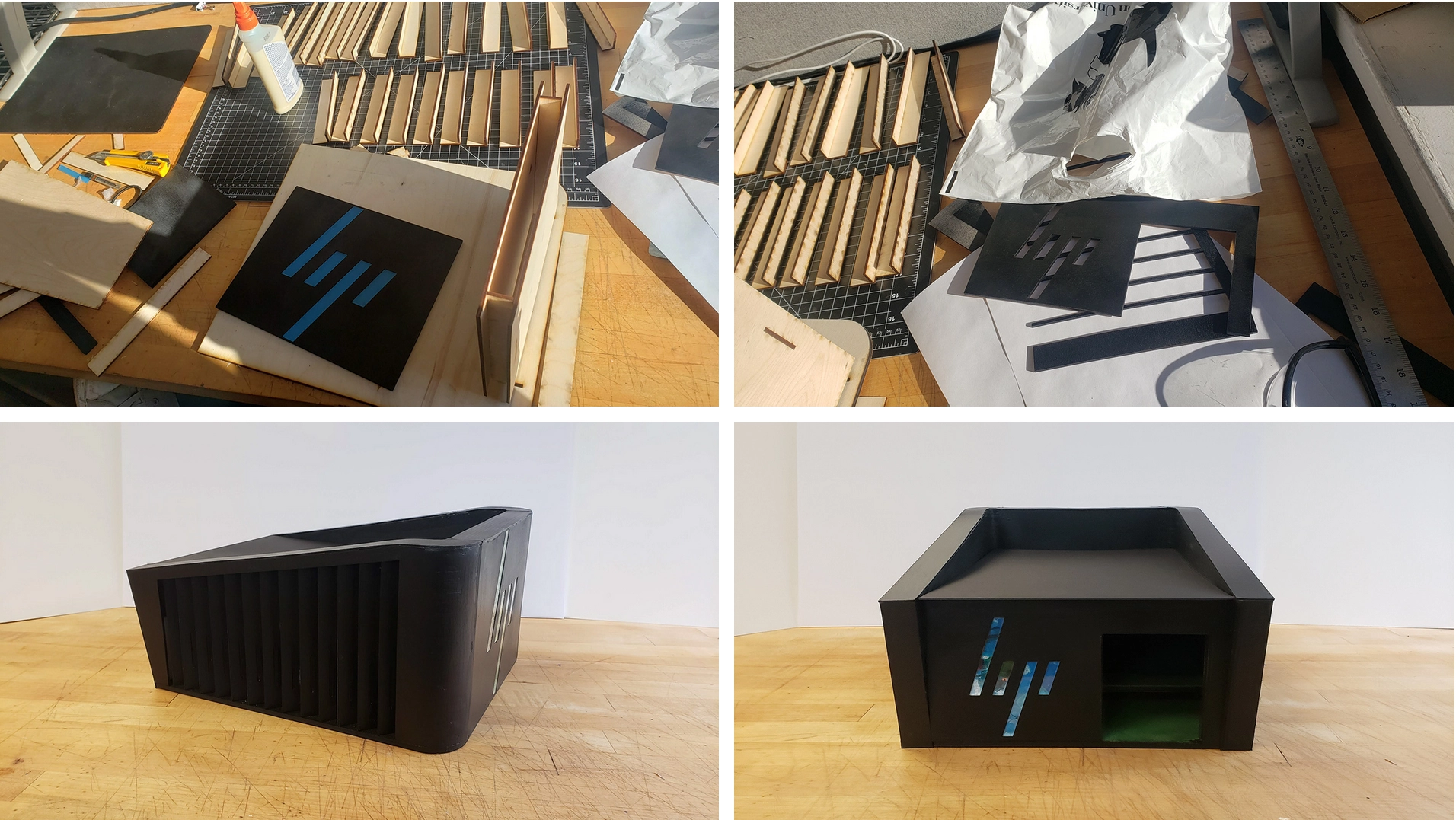
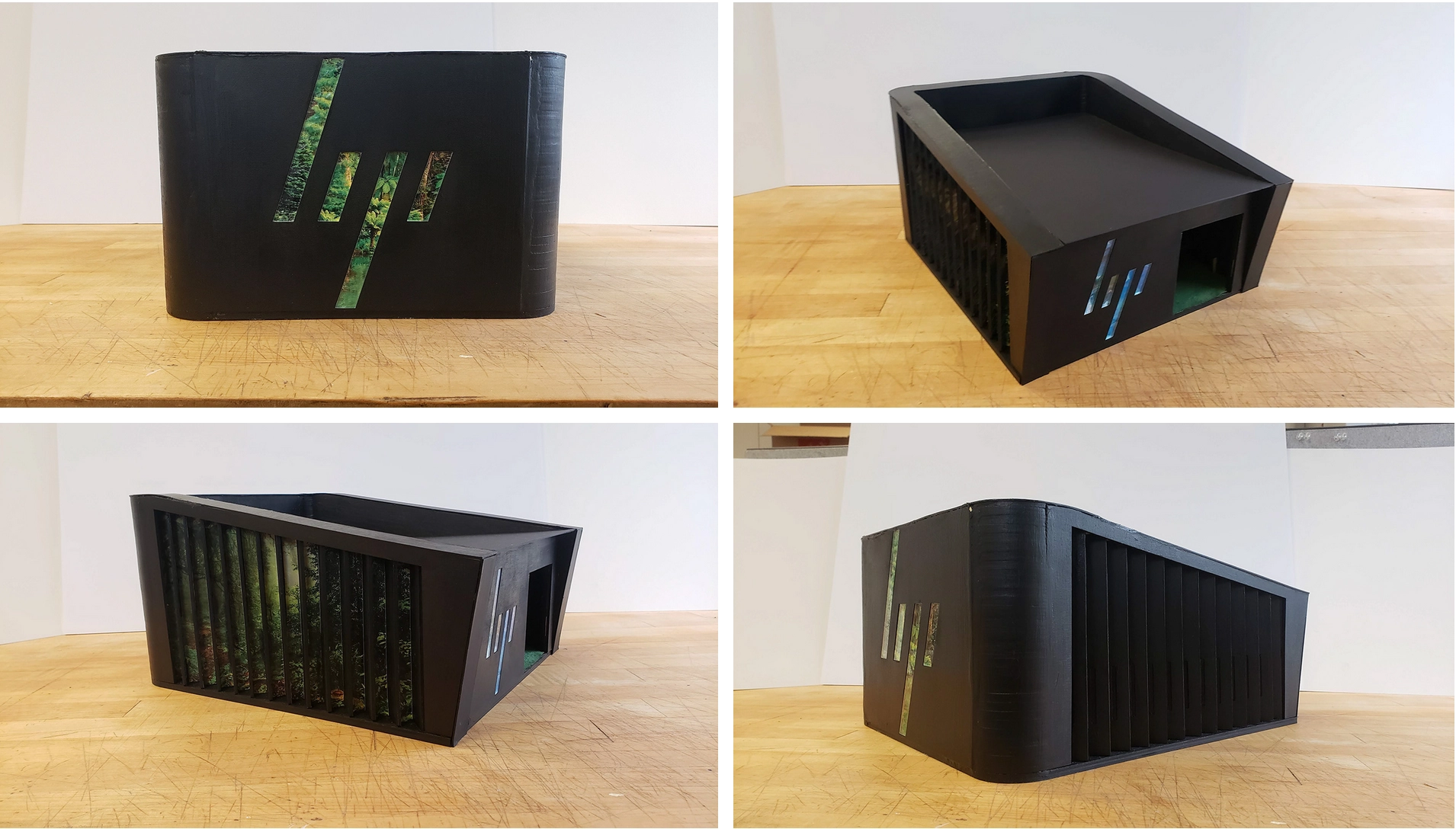
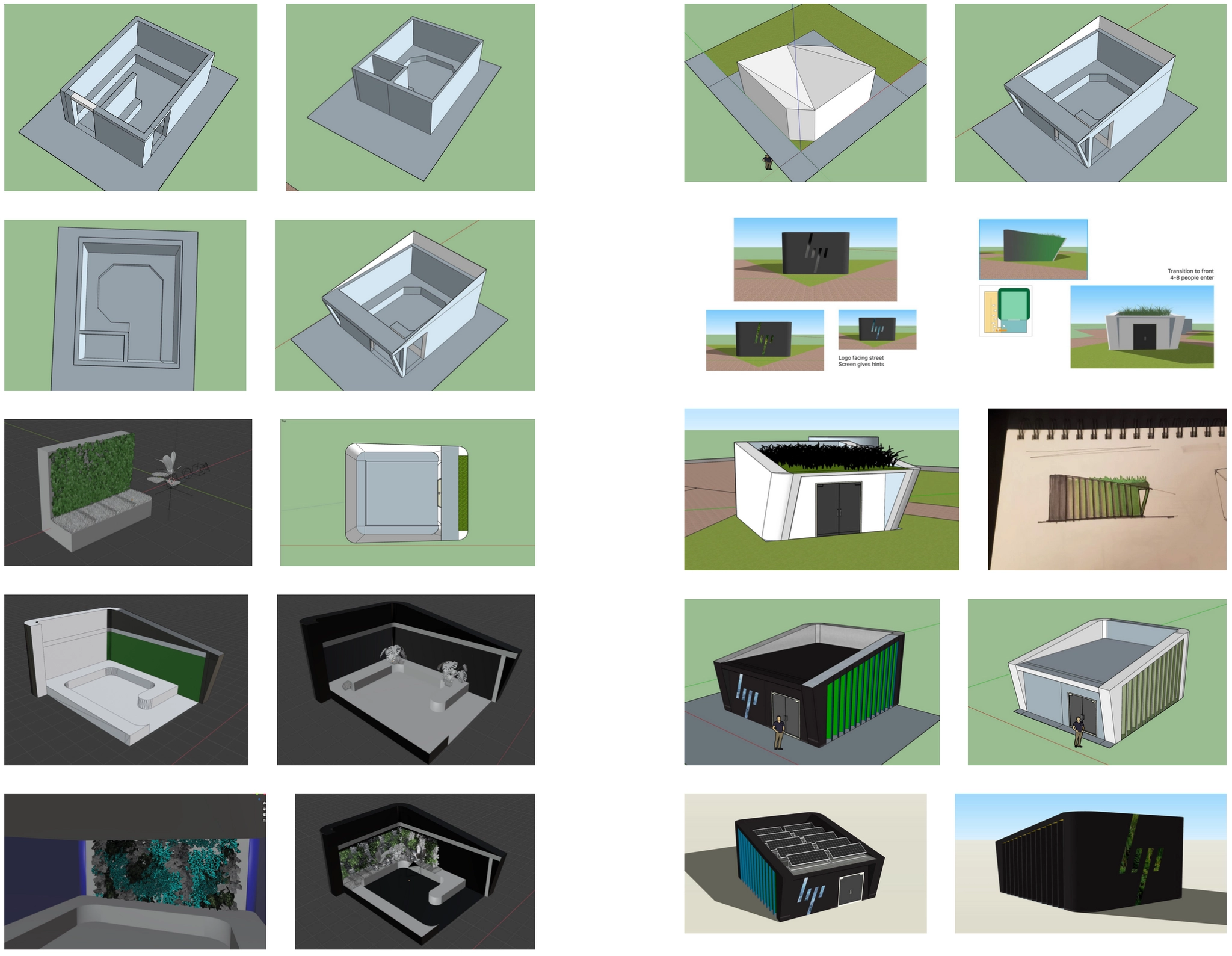
The exterior form was developed iteratively between physical cardboard prototypes and Sketchup models. The goal was to carry HP's structured design language into a spatial form that still felt at odds with its park setting. Final geometry was refined in Blender. A laser-cut wood and acrylic physical model helped pressure-test the interior layout before committing to final dimensions.

Physical model — exterior form Physical model — interior layout

Sketches and Storyboards

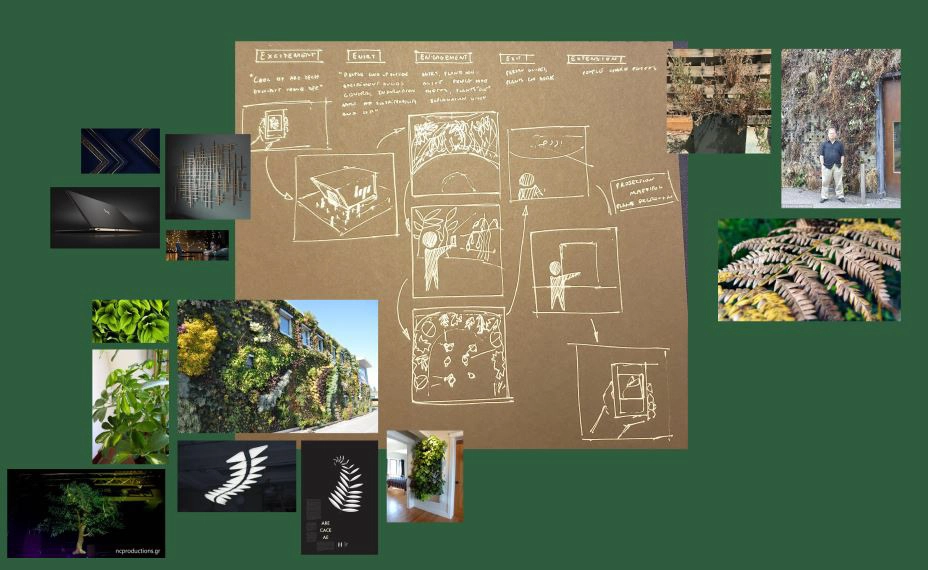
Early concept work included storyboards and moodboards pulling from HP's existing design language, natural environments, and comparable experiential installations. The storyboard was used to communicate the full interaction arc to collaborators and evaluate pacing before any physical work began.

Concept storyboard and moodboard
Interaction flowchart and early ideation

The core mechanic worked. Designing for a behavioral trigger people already have, taking photos, made the interaction feel discovered rather than instructed. That's harder to achieve than it looks.

If I were to extend the project, I'd push harder on the digital layer. The seed card gesture is strong but the QR code destination was underdeveloped. The off-ramp from the physical experience into HP's actual sustainability content is where the brand connection could land more durably.

I'd also spend more time on the reset sequence. A room that recovers in full view of the next group waiting outside could itself become part of the experience, making the cycle of damage and recovery visible as a metaphor rather than a logistical necessity.

What this project clarified for me: the most effective sustainability communication implicates its audience. People already know this matters. They need a moment that makes them feel it.

One dimension the project never addressed: transportability. A pop-up that only works in one city limits the reach of both the experience and the brand investment. Thinking through how the structure breaks down into shippable components, how the animatronics pack and reassemble without recalibration, and how the interior can adapt to different footprints would have been a worthwhile design constraint from the start, not an afterthought.

Next Project

Orbit:
Growing Together

An interactive wall speaker that lets two people build a physical record of their relationship through music sharing over time.

View project →
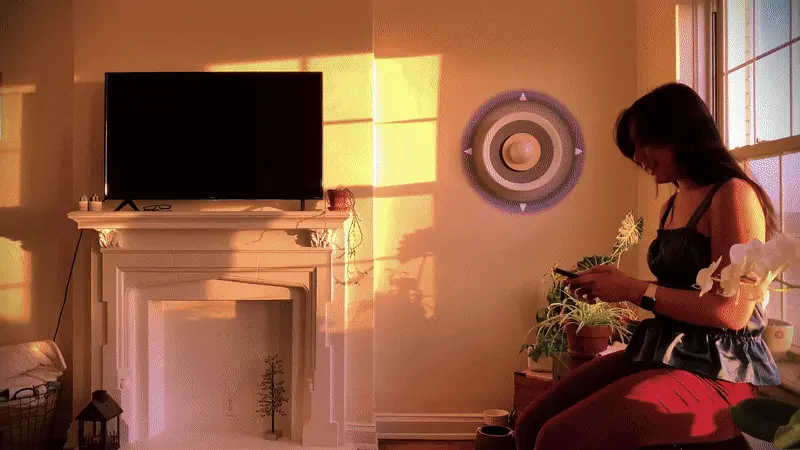
Orbit speaker showing light animation