ACS UI Library
& Sample Builder
Overview
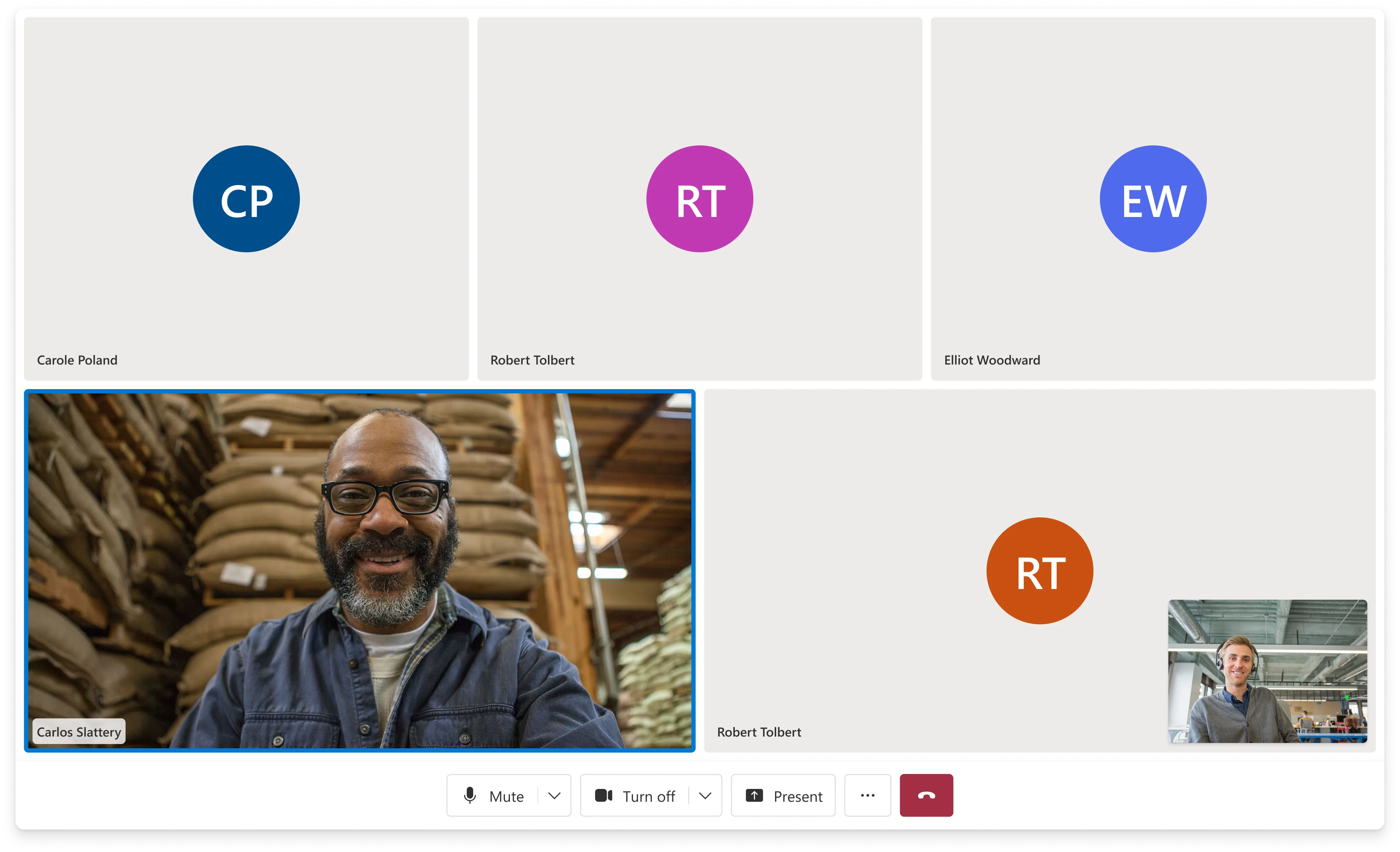
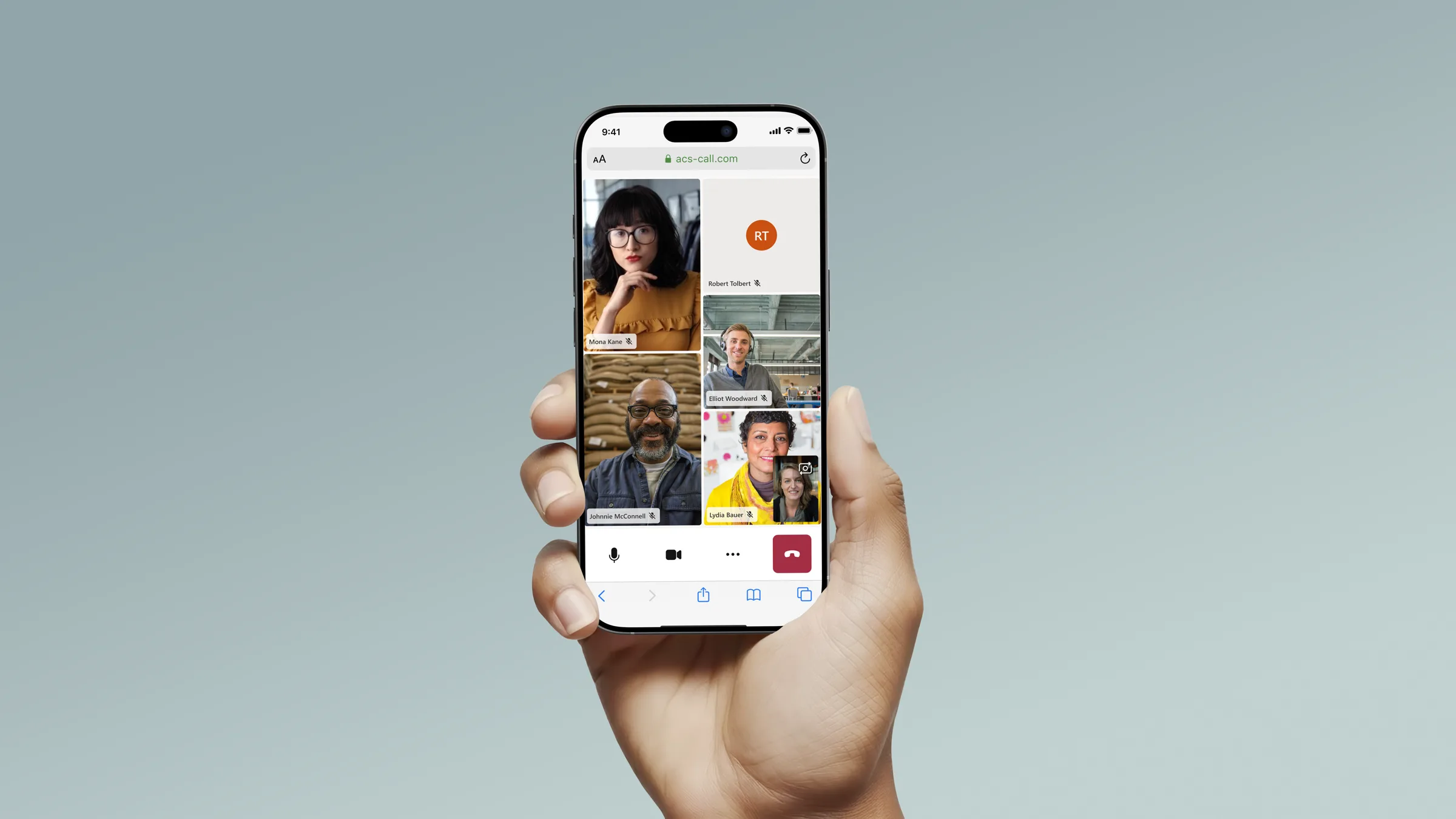
The ACS UI Library is a set of production-ready React composites and UI components for web, iOS, and Android — the interface layer that lets development teams ship branded calling experiences on Microsoft infrastructure without building from scratch. From 2022 I was the product lead: setting design direction, writing specs, managing roadmap, and shipping 40+ features end to end with a team of 20+ engineers.
The defining constraint was designing through defaults. I wasn't designing for any single company's call — I was designing the CallComposite, the VideoGallery, the control bar, the pre-call device setup — and each one shipped once and was inherited by 200+ businesses across healthcare, finance, automotive, and retail. A telehealth patient joining a virtual appointment, a financial advisor on a regulated call, a call-center agent in a contact center: the same defaults had to hold up across all of them.
My role sits at the intersection of product design and product management. I set the interaction model, made the visual design calls, and wrote the specs — while also owning strategy, roadmap, and customer work for the same features. The design team (Alex Pereira, Jessica Downey, Danielle Hibbs) were close partners on visual execution. The decisions about what to design and why were mine.
Context
Three entry points, one infrastructure, one design layer
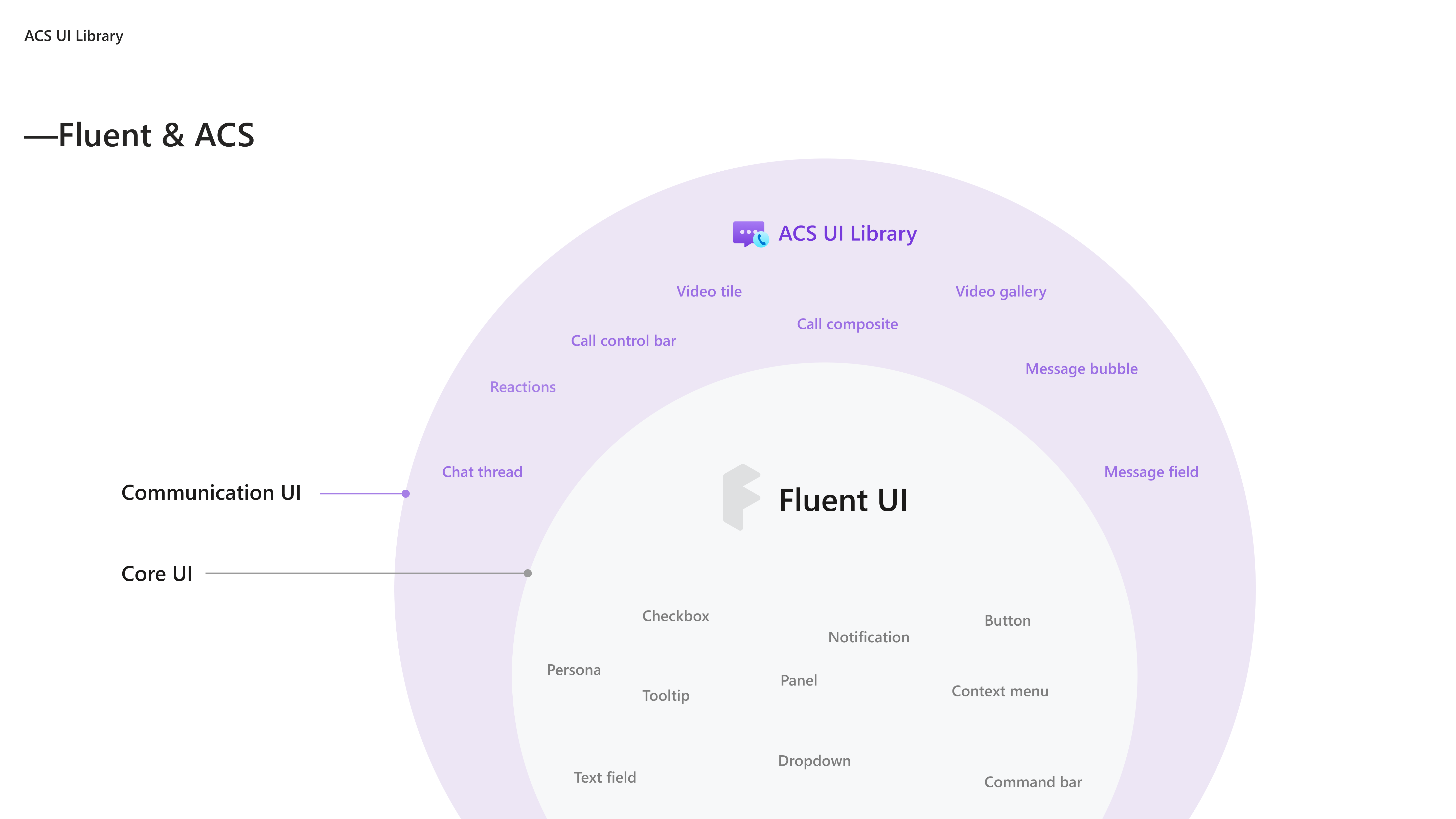
The ACS UI Library sits between the raw Calling SDK and the no-code Sample Builder — close enough to the platform to be credible, abstracted enough to be usable without deep engineering expertise. Everything is built on Fluent UI, which meant design decisions had to work within Microsoft's design system while remaining white-label enough for a bank, a hospital, and a car company to all call it their own.
Calling SDK
Full control, high complexity floor. Teams need significant engineering depth to build on the raw SDK. Owned from 2025.
ACS website ↗UI Library
Accessible, Fluent-based React composites and components. Two abstraction levels: Composites for turn-key scenarios, UI Components for custom builds.
↑ Built & owned from 2022 Storybook ↗Sample Builder
A no-code Azure Portal wizard that packages ACS Calling, Rooms, and the UI Library into a deployable demo in minutes. The AI showcase layer.
↑ Contributed 2021 · Owned from 2022The people using what I shipped are patients in telehealth appointments, veterans in mental health sessions, customers in financial consultations. In those situations, the interface has to work. Designing good defaults — for a video gallery, a pre-call setup, a control bar — is how you make that reliable when you can't control the deployment context.
What I did
Design decisions and product ownership on the same features — not separate tracks.
Results
11.1M+
Monthly minutes on the UI Library by end of 2025. Up from 2M at the start of the year — 90% of all lifetime usage came in that single twelve-month period.
5×
Growth in a single year. Over 100M total minutes added in FY25. Three years of compounding platform investment reaching scale.
265M
Quarterly minutes on the Calling SDK, with 21% QoQ growth. Over 1B lifetime minutes in the first year of expanded ownership.
200+
Businesses onboarded across healthcare, finance, automotive, and retail. Each inherited the defaults I shipped.
40+
Features owned end to end across accessibility, AI, mobile, and developer tooling. From first Figma frame to public release.
1st
First RTT implementation across Microsoft. First AI feature in ACS. Both in a single year.
Deep Dives
Two workstreams that defined the platform's direction
From an accessibility deadline that forced a novel interaction model, to the first AI feature in ACS — each one a different kind of hard design problem.
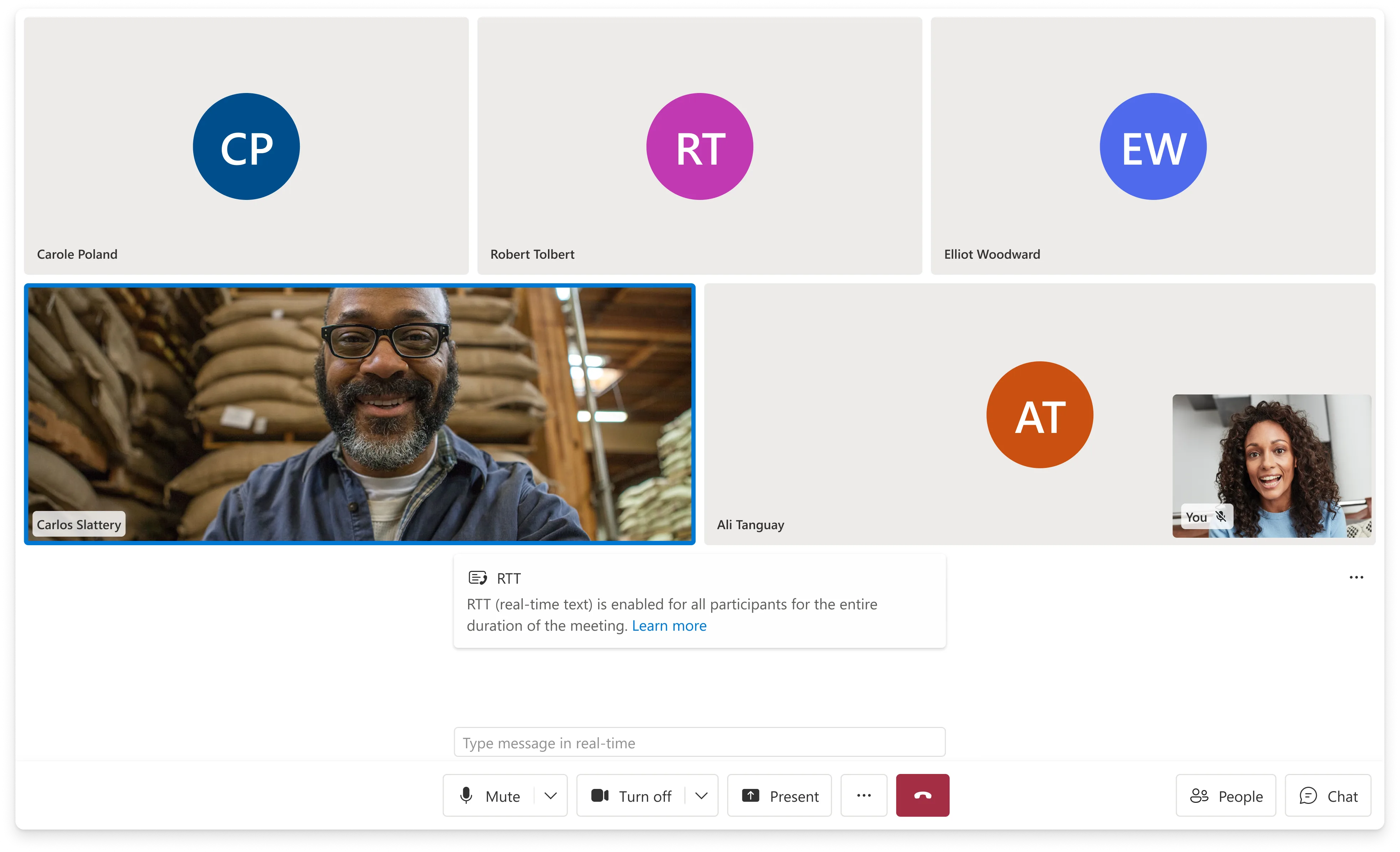
Character-by-character text, from multiple speakers, during a live call — and a hard EU Accessibility Act deadline. The first RTT implementation across Microsoft, designed from scratch.
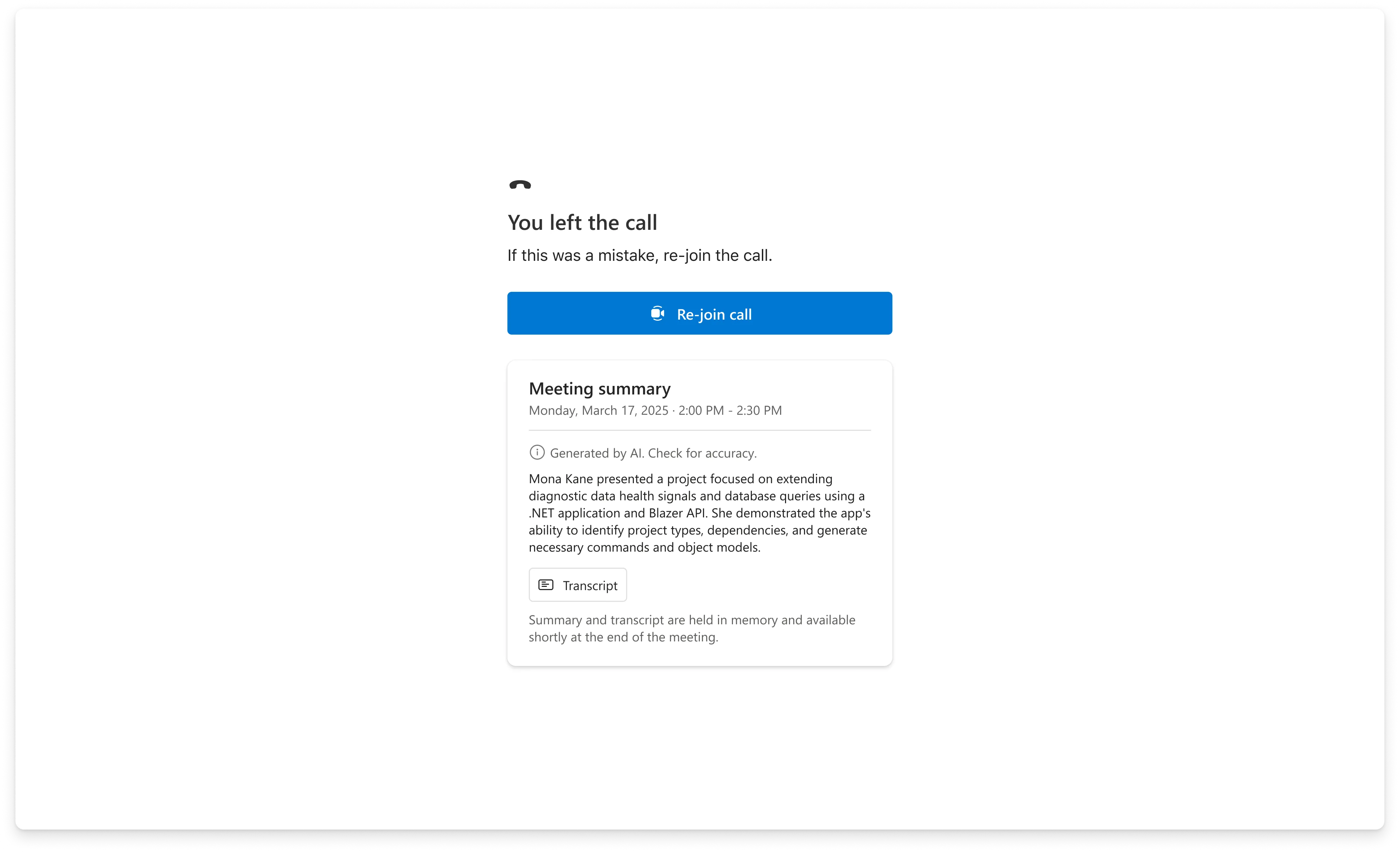
The first AI feature in ACS. Designing for the gap between when a call ends and when the summary is ready — and for summaries that mean something different in a telehealth room than in a financial consultation.
Next Project
Physicalization
of AR/XR
CMU Bachelor of Design thesis. A system of haptic and physical proxies that extend augmented reality interactions into the real world, bridging digital and material space at the interaction layer.
View case study →